By country
- United Kingdom12 places
- France9 places
- Italy5 places
- Spain5 places
- Germany4 places
- Norway3 places
- Poland3 places
Germany 4 places
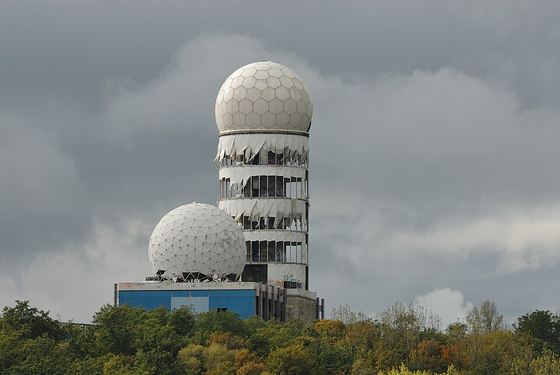 Teufelsberg, the rubble mountain where the NSA listened inBerlin (Grunewald), Germany
Underneath lies the shell of a military engineering faculty whose foundation stone Hitler laid in 1937, as part of his plan for a capital called 'Germania', and which…
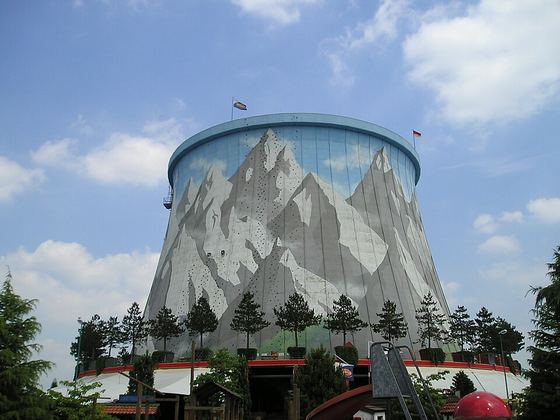 Kalkar, the nuclear plant turned amusement parkKalkar, Germany
It was meant to be Germany's first large breeder reactor, fuelled by plutonium and cooled by sodium, able to produce more fuel than it used. Construction began on 23…
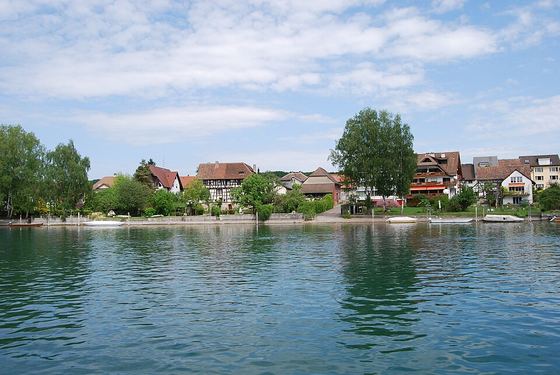 Büsingen, the German village that lives on Swiss francsBüsingen am Hochrhein, Germany
For centuries it was an Austrian lordship surrounded by the lands of Schaffhausen. In 1693 the Swiss authorities abducted and imprisoned its lord, Eberhard Im Thurn, and…
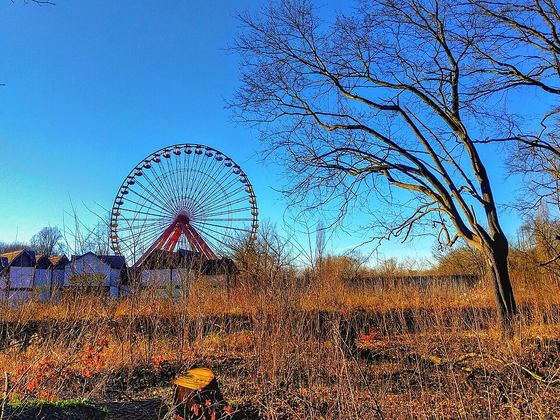 Spreepark, the East German funfair swallowed by the forestBerlin (Plänterwald), Germany
It opened in 1969 as Kulturpark Plänterwald, the only permanent amusement park in East Germany. After the fall of the Wall it was run by a funfair operator, Norbert…
Italy 4 places
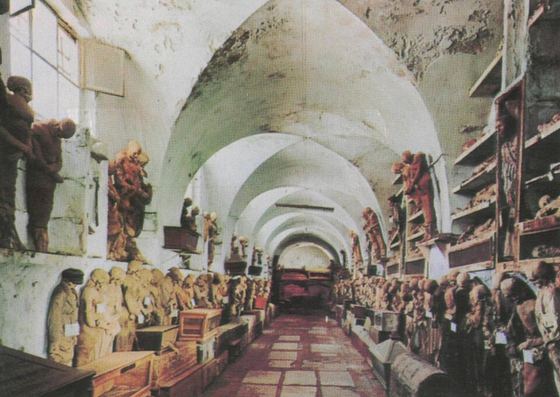 The Capuchin Catacombs, Palermo's dressed deadPalermo, Italy
The friars began digging it in 1597 because the convent's common grave had grown too small. When they moved the brothers buried there, they found that 45 bodies had…
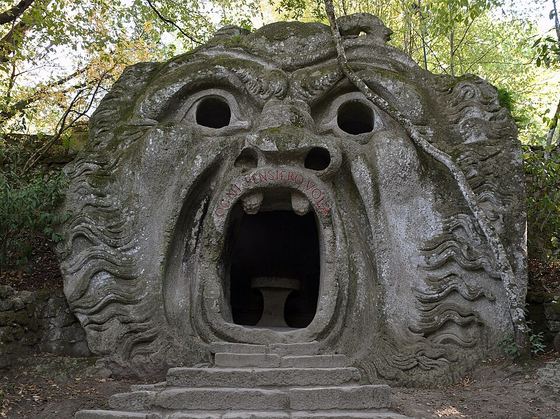 The Sacro Bosco of Bomarzo, the park of monstersBomarzo (Viterbo), Italy
It was commissioned by Pier Francesco Orsini, known as Vicino, lord of Bomarzo, from the mid-16th century, and the first part was finished in 1552, perhaps as a tribute…
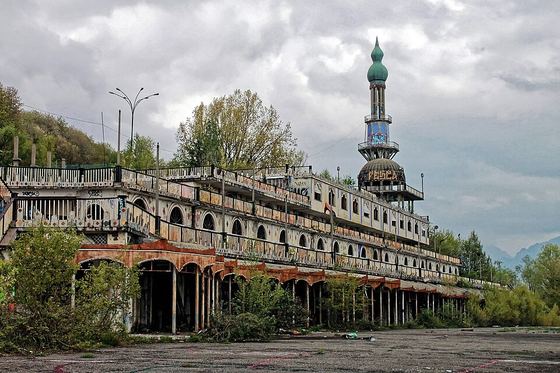 Consonno, the ghost 'Las Vegas' of BrianzaOlginate (Lecco), Italy
In the early 20th century it had about 300 residents, and by the 1950s only 50 or 60 were left. The builder Mario Bagno, known as 'the Count', bought the village for…
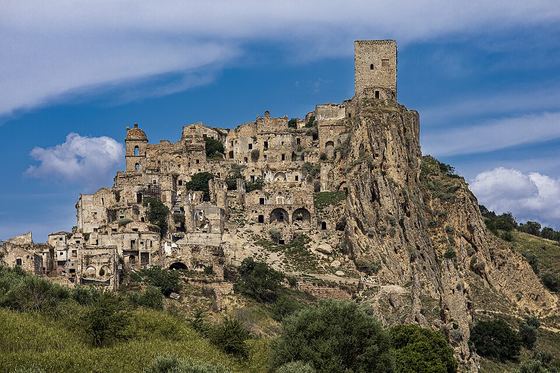 Craco, the village the earth took awayCraco (Matera), Italy
Craco had its heyday between the Middle Ages and the 16th century, with churches, noble palaces and a Norman tower. From the late 19th century it suffered a series of…
Spain 4 places
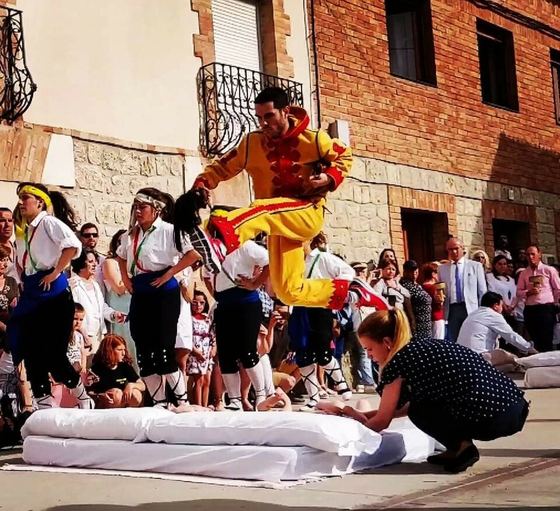 El Colacho, the devil who jumps over babiesCastrillo de Murcia (Burgos), Spain
It is held on the Sunday after Corpus Christi and organised by the Brotherhood of the Blessed Sacrament, whose rule was approved in 1621. For several days El Colacho,…
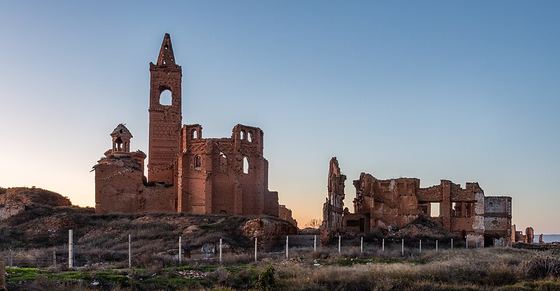 Belchite, the village left in ruinsBelchite (Zaragoza), Spain
Belchite, with about 3,500 inhabitants, was fought over between August 1937 and March 1938 and was almost completely destroyed. Franco promised to rebuild it, but a few…
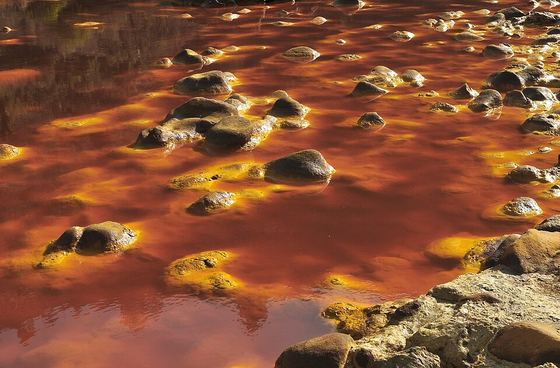 Río Tinto, the red river where NASA rehearsed for MarsNerva (Huelva), Spain
Its basin has been mined for about 5,000 years: Iberians and Tartessians, then Phoenicians and Romans, took copper, silver and gold from here. The colour comes from iron…
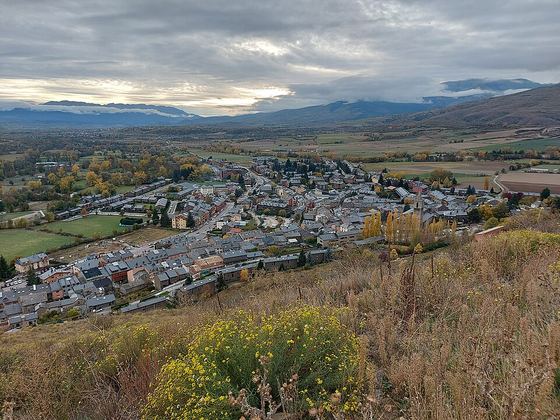 Llívia, the Spanish town surrounded by FranceLlívia (Girona), Spain
Under the Treaty of the Pyrenees of 1659, which ended a 24-year war, Spain ceded 33 Cerdanya villages to France. Llívia was left out on a technicality: it held the title…
France 3 places
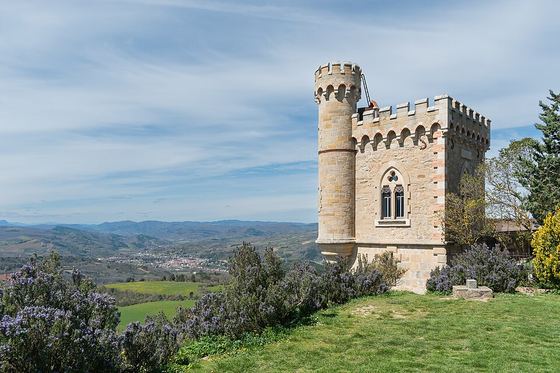 Rennes-le-Château and the priest's treasureRennes-le-Château (Aude), France
Saunière arrived in 1885 in a parish of about 300 people whose church was in poor repair. He restored it and built himself a villa, the Magdala tower and gardens, living…
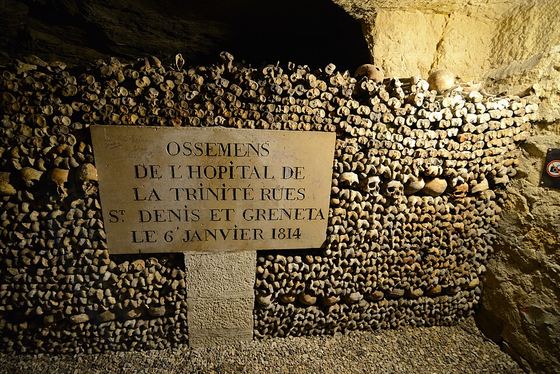 The Paris Catacombs, the 'empire of death'Paris, France
By the late 18th century the city's cemeteries had become a public health problem, and Paris decided to empty them into the Tombe-Issoire quarries, then outside the…
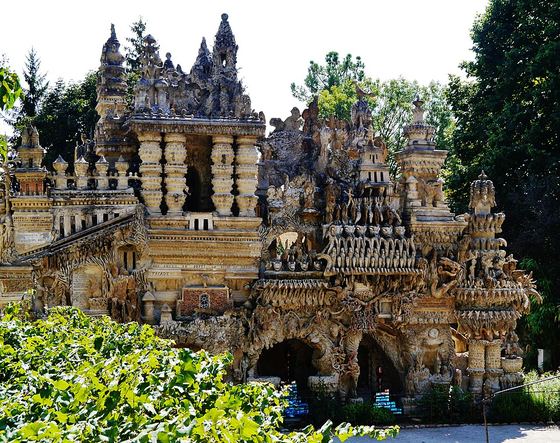 Postman Cheval's Ideal PalaceHauterives (Drôme), France
In 1879, on his round, Ferdinand Cheval tripped over an oddly shaped stone and decided to build a palace. As well as walking 32 to 43 kilometres a day delivering the…
Poland 3 places
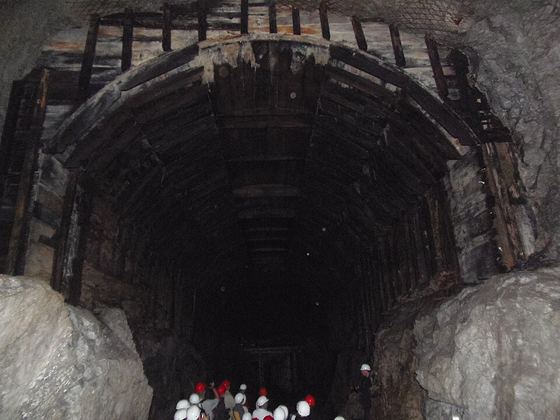 Project Riese, the tunnels nobody can explainGłuszyca (Osówka), Poland
Work began in 1943 and was never finished. Its purpose was kept secret: according to the Gross-Rosen museum, it was to be a new headquarters for Hitler, with Książ…
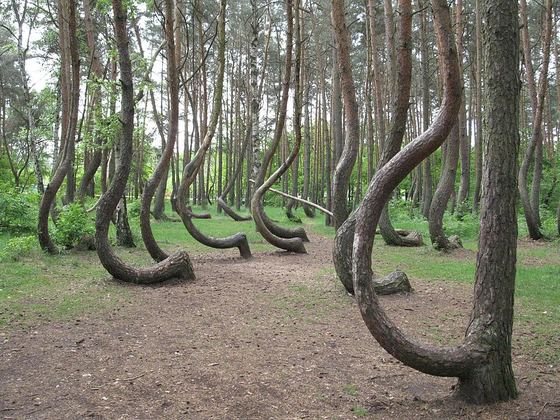 The Crooked Forest, pines bent from birthNowe Czarnowo (Gryfino), Poland
All the trunks curve to the north, between 10 and 55 cm above the ground, run almost horizontally for 1 to 3 metres and then straighten up. Nobody knows for sure how it…
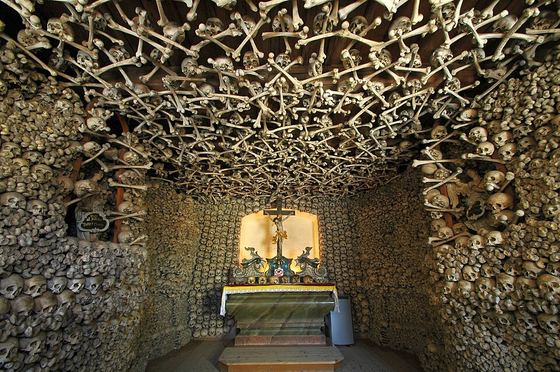 Czermna, the chapel lined with skullsKudowa-Zdrój, Poland
In 1764 the Czech priest Václav Tomášek took over the parish and was shocked by the human remains turning up in meadows, fields and woods: victims of wars, famines and…
United Kingdom 3 places
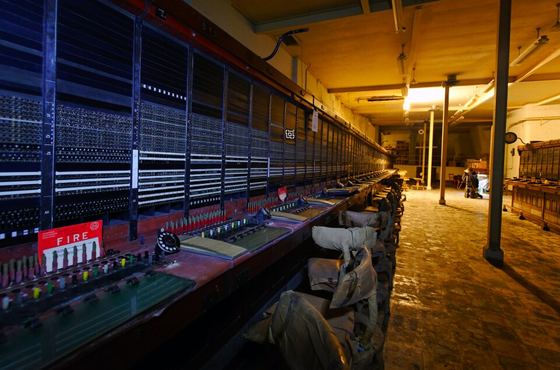 Burlington, the secret city beneath CorshamCorsham (Wiltshire), United Kingdom
It was built in a former Bath stone quarry and had more than 60 miles (about 97 km) of roads laid out in a New York-style grid, with hospitals, kitchens, laundries,…
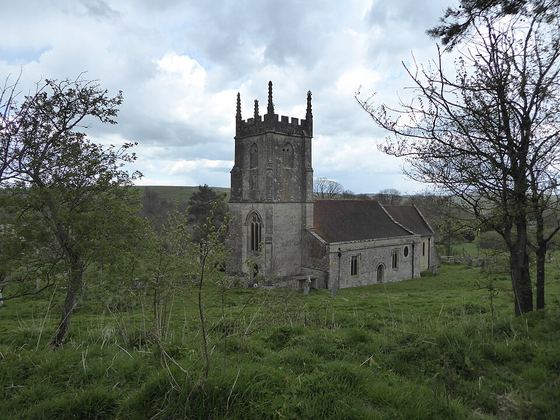 Imber, the village the army never gave backSalisbury Plain (Wiltshire), United Kingdom
Troops were already billeted at the manor house in 1916, and from 1927 the War Office bought up the surrounding land. On 1 November 1943 the villagers were called to a…
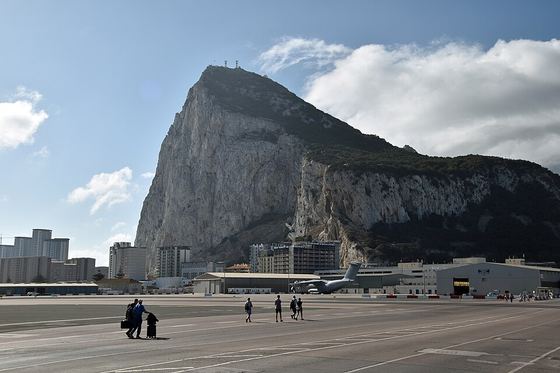 The Gibraltar runway you can cross on footGibraltar, United Kingdom (Gibraltar)
The runway was built in 1941 on top of Winston Churchill Avenue, then the only road between Gibraltar and Spain. For 82 years, every time a plane took off or landed the…
Austria 2 places
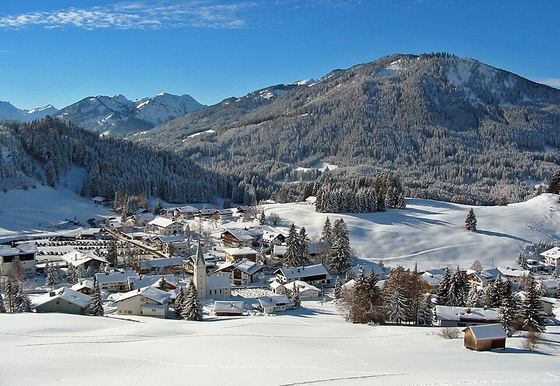 Jungholz, the Austrian village joined to its country at a single pointJungholz (Tyrol), Austria
No road links it to Austria, so to reach the rest of their country residents have to go through Bavaria. The land changed hands on 24 June 1342, when a farmer from…
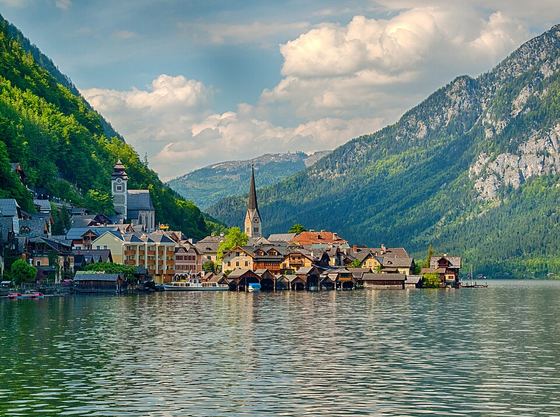 Hallstatt, the village of painted skulls that China copiedHallstatt, Austria
The graveyard, on rocky terraces around the church, had no room to grow and cremation used to be forbidden, so graves were reopened after 10 to 15 years. The skulls were…
Bosnia and Herzegovina 2 places
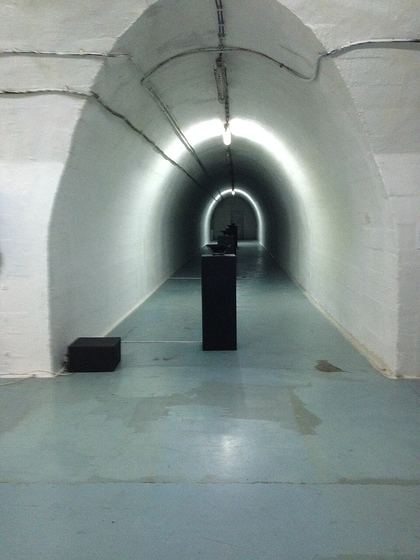 ARK D-0, Tito's atomic bunkerKonjic, Bosnia and Herzegovina
It was built in secret over 26 years, from 1953 to 1979, under the code name 'Istanbul'. Its three entrances are disguised as ordinary houses, the workers signed…
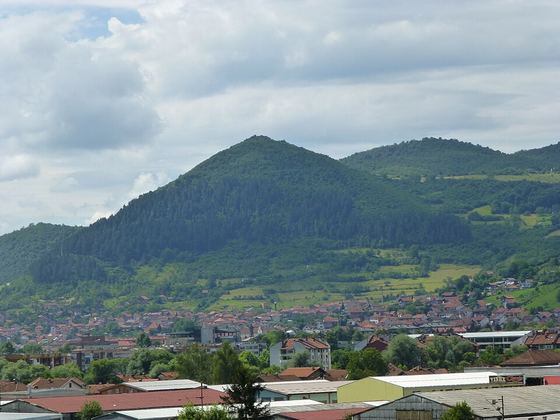 The Bosnian 'pyramids', a hill turned into a mythVisoko, Bosnia and Herzegovina
In 2005 the Bosnian-American businessman Semir Osmanagić climbed the hill, saw another triangular one across the valley and announced that they were pyramids about…
Estonia 2 places
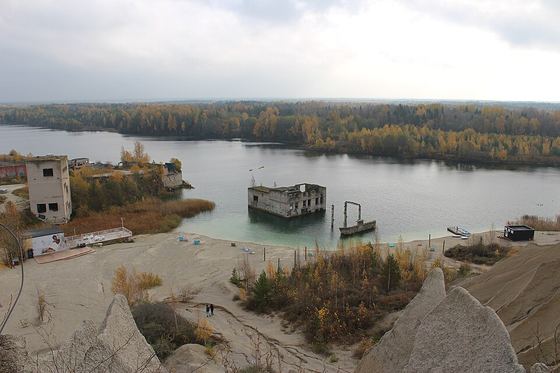 Rummu, the prison that sank into its quarryRummu, Estonia
Limestone and so-called Vasalemma marble were mined here from the late 1930s. In the Soviet era, and up to the 1990s, the work was done as forced labour by inmates of…
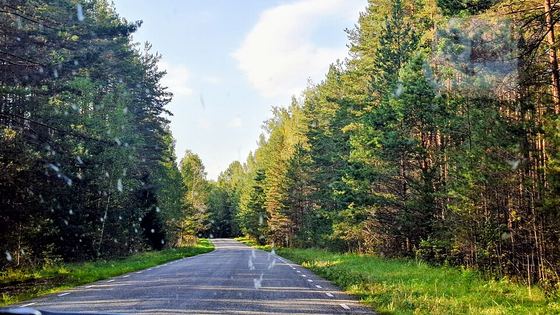 The Saatse Boot, the road that crossed RussiaVärska (Setomaa), Estonia
The border draws the boot because the plot belonged to a farm in a village that ended up on the Russian side. For years, a 2003 agreement let people drive through it…
Lithuania 2 places
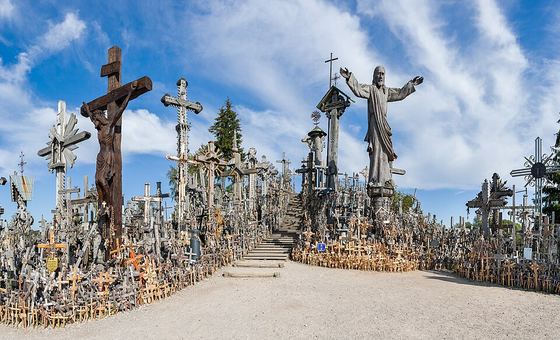 The Hill of Crosses, the hill no one could flattenŠiauliai, Lithuania
A wooden castle stood on the hill until the Livonian army destroyed it in 1348. People began planting crosses in the mid-19th century: some say to pray for good health,…
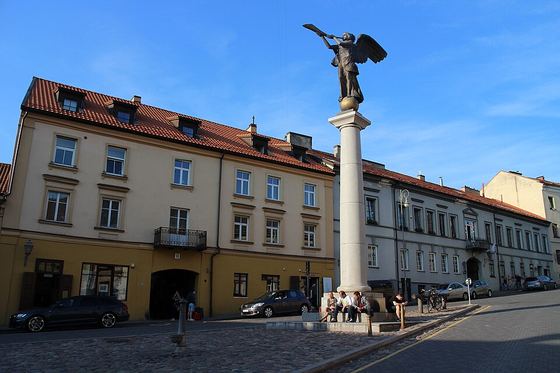 Užupis, the republic born on 1 AprilVilnius, Lithuania
Užupis means 'beyond the river'. In Soviet times it was one of the most run-down and dangerous corners of the city, and in the 1990s artists moved in, drawn by its cheap…
Portugal 2 places
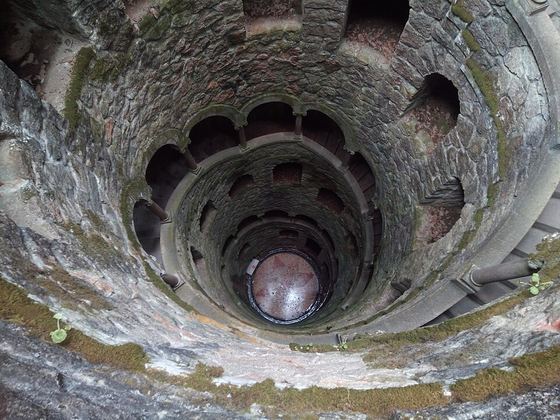 The Initiation Well of Sintra, a tower that goes undergroundSintra, Portugal
The estate was bought in 1892 by António Augusto Carvalho Monteiro, one of the richest men in Portugal, who between 1904 and 1910 turned it, with the Italian architect…
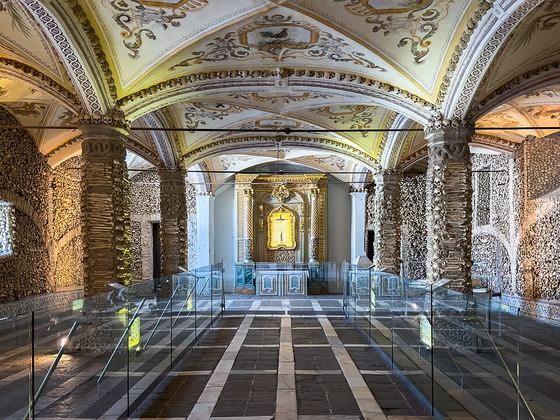 The Chapel of Bones in Évora, where the dead wait for the livingÉvora, Portugal
The Franciscan friars of the convent built it with bones from the convent's burial grounds; they are thought to be the remains of about 5,000 people. It was not meant to…
Sweden 2 places
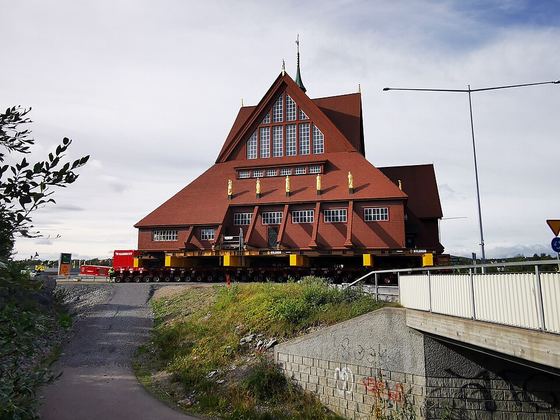 Kiruna, the town moving out of the way of its mineKiruna, Sweden
It was founded in 1900 by the state mining company, today LKAB, and lives off a huge iron ore deposit. The mine has gone ever deeper, to more than 1,300 m, and in 2004…
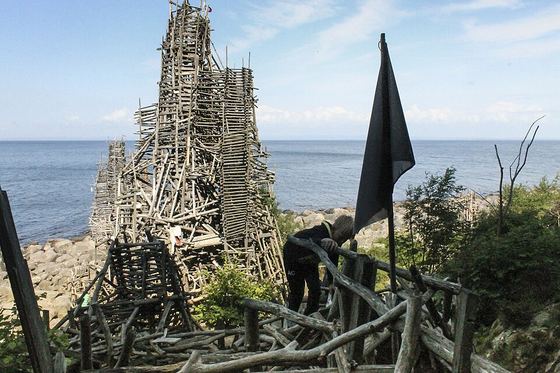 Ladonia, the micronation born of an illegal sculptureKullaberg (Höganäs), Sweden (micronation)
Vilks started building Nimis in July 1980 on the reserve's coast. The authorities did not find it until 1982, and then came lawsuits that dragged on until 2004. In 1984…
Ukraine 2 places
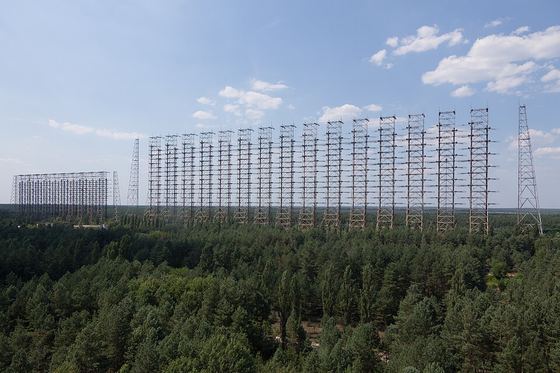 Duga, Chernobyl's 'Russian Woodpecker'Chernobyl Exclusion Zone, Ukraine
Construction began in 1972 on an 'over-the-horizon' radar: it bounced shortwave signals off the ionosphere to spot ballistic missile launches against the USSR within the…
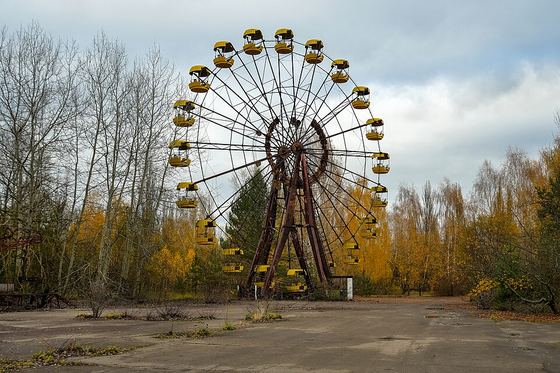 Pripyat, the city emptied in an afternoonChernobyl Exclusion Zone, Ukraine
It had about 49,000 residents when reactor 4 exploded on 26 April 1986. The next day at two in the afternoon the evacuation by bus began: in about three hours some…
Albania 1 places
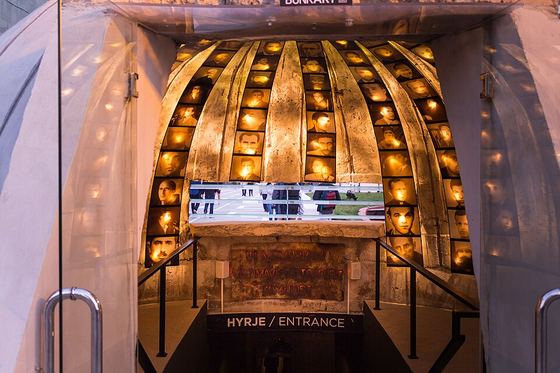 Bunk'Art, Hoxha's atomic bunkerTirana, Albania
Hoxha ruled Albania for 40 years convinced that Yugoslavia, Greece, NATO or the Soviet Union were about to invade, and he covered the country in bunkers, from the…
Belarus 1 places
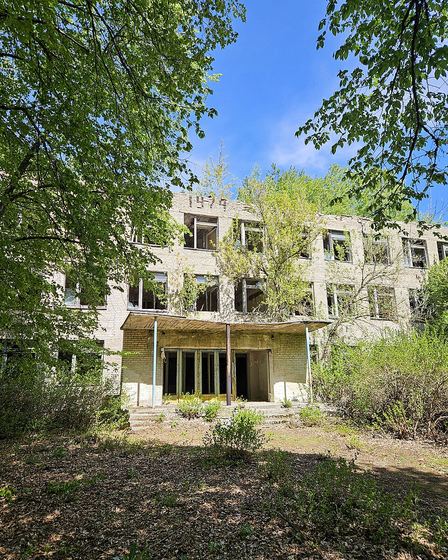 Polesie Reserve, the other Chernobyl zoneKhoiniki, Brahin and Narowlya, Belarus
It was created on 18 July 1988, two years after the accident, in the three most affected districts of the Gomel region: Brahin, Khoiniki and Narowlya. It took in 96…
Belgium and the Netherlands 1 places
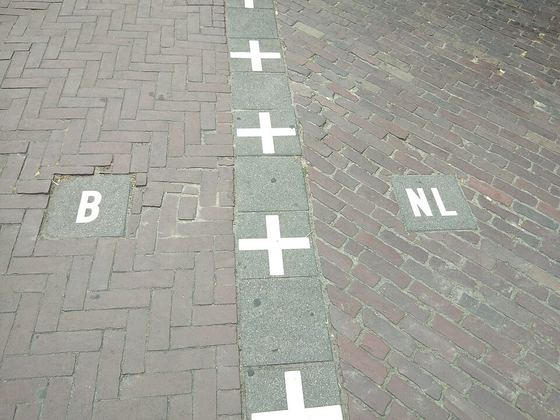 Baarle, the town of 30 enclavesBaarle-Hertog and Baarle-Nassau, Belgium and the Netherlands
The patchwork goes back to agreements made in 1198 between the Duke of Brabant and the Lord of Breda. In 1843, when the border between the two countries was drawn, no…
Bulgaria 1 places
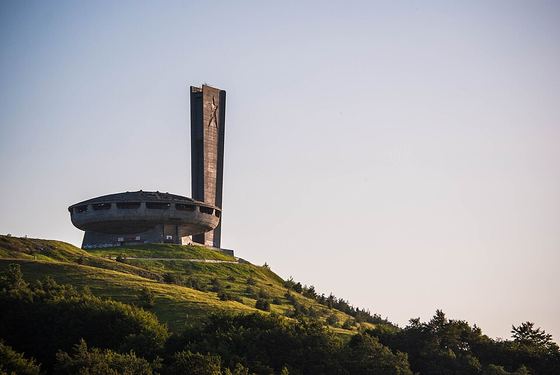 Buzludzha, the flying saucer of Bulgarian communismBuzludzha Peak (Kazanlak), Bulgaria
Bulgaria's first socialist party was founded on this peak in 1891, and the regime wanted to put its great symbol here. More than 6,000 people built it between 1974 and…
Czechia 1 places
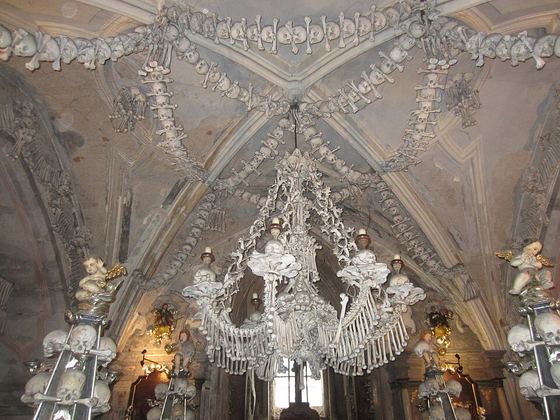 Sedlec Ossuary, the chapel decorated with bonesKutná Hora, Czechia
In the Middle Ages the cemetery of the Cistercian monastery at Sedlec was the only Christian one in the area, and it grew to cover 3.5 hectares. Victims of famine,…
Denmark 1 places
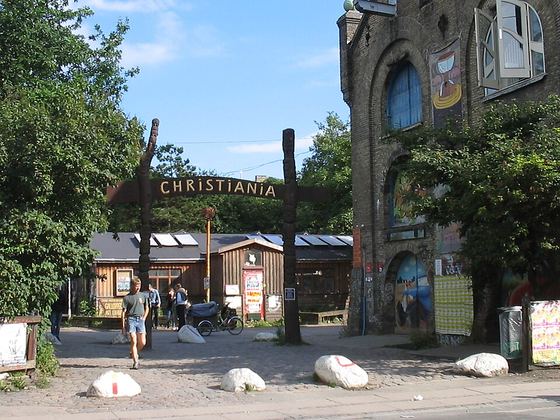 Christiania, the free town in the middle of CopenhagenCopenhagen, Denmark
In the late 1960s, people in Christianshavn kept knocking down the fence of an abandoned barracks to get a park. In 1971 they pulled it down for the last time, and…
Finland 1 places
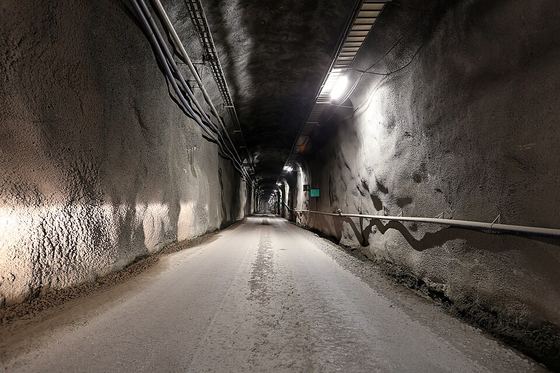 Onkalo, the 100,000-year nuclear tombEurajoki (Olkiluoto), Finland
Spent fuel stays dangerous for hundreds of thousands of years. The plan is to seal it in iron canisters with 5 cm of copper, wrap them in bentonite, a clay that soaks up…
Finland and Sweden 1 places
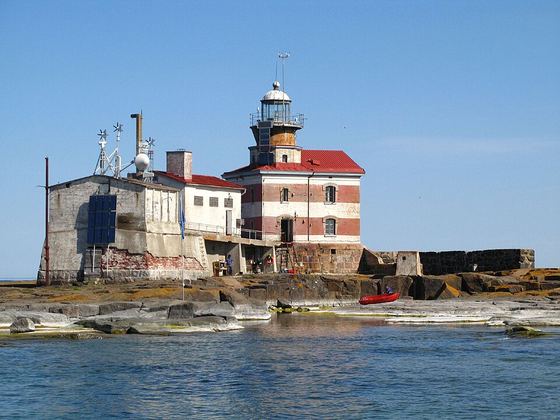 Märket, the island with the zigzag borderHammarland (Åland), Finland and Sweden
In 1809, when Sweden lost Finland to Russia, the new border was drawn halfway between the coasts and, by chance, ran across Märket. In 1885 the Russians built the…
Hungary 1 places
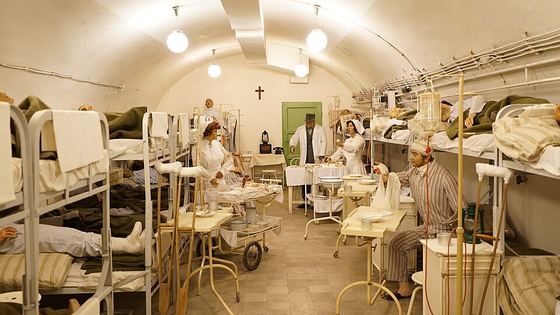 Hospital in the Rock, the operating theatre under Buda CastleBudapest, Hungary
It opened in 1944 in natural caves that over the centuries had served as larders and prisons, linked by a tunnel to St John's Hospital. During the siege of Budapest in…
Ireland 1 places
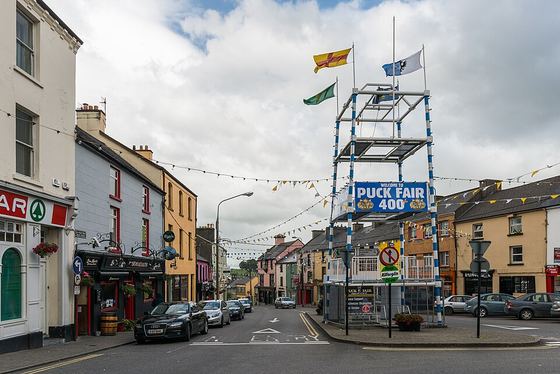 Puck Fair, where a goat is kingKillorglin (Kerry), Ireland
No document records when it began. The earliest references date from the early 17th century, including a 1613 charter from King James I that gave legal status to an…
Latvia 1 places
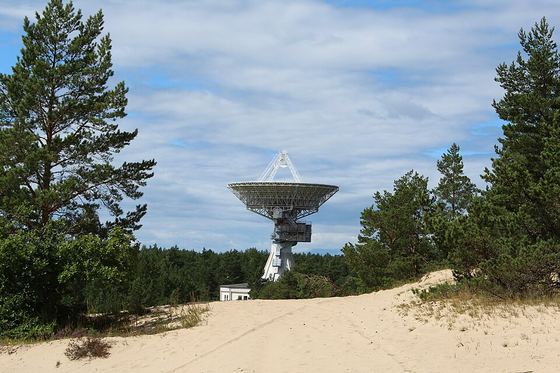 Irbene, the secret radio telescope in the woodsIrbene (Ventspils), Latvia
The Soviet army brought it into service in 1974 for military purposes, and its existence was kept secret until 1993. It was called Zvezdochka, 'little star'. When the…
Malta 1 places
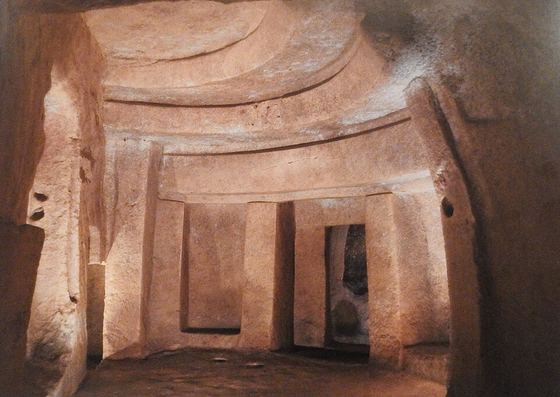 The Ħal Saflieni Hypogeum, the prehistoric cemetery hidden under housesPaola, Malta
It was used as a burial place from around 4000 BC and was dug out of soft limestone using only tools of chert, obsidian and antler. Some chambers copy the architecture…
Norway 1 places
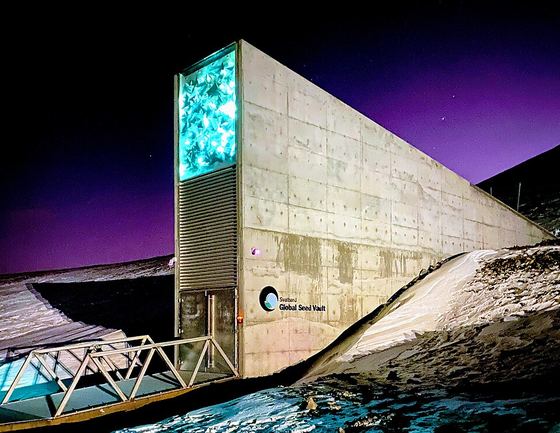 Svalbard Global Seed VaultLongyearbyen, Norway
It is called the 'Doomsday Vault', but its job is more practical: it is the backup of each country's seed banks, in case the original is lost. The boxes are never…
Romania 1 places
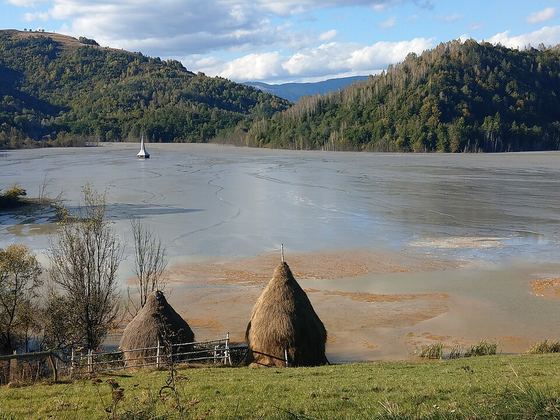 Geamăna, the village under the mine's lakeLupșa (Alba), Romania
In 1977 Nicolae Ceaușescu signed the decree to exploit Roșia Poieni, Romania's largest copper deposit. The waste was dumped into the valley where the village stood, and…
Russia 1 places
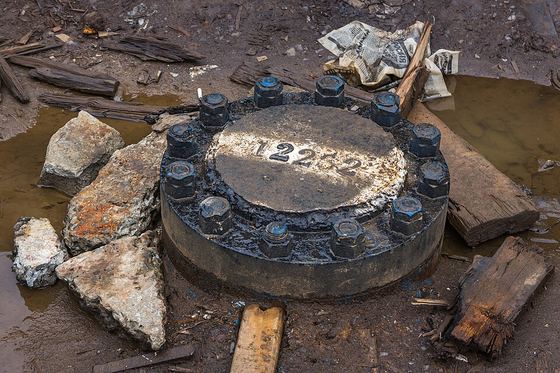 The Kola Superdeep Borehole, the deepest hole ever dugZapolyarny (Murmansk), Russia
At the height of the Cold War, the USSR and the United States were racing to drill as deep into the Earth's crust as they could. The Soviets started here in 1970 and…
Serbia 1 places
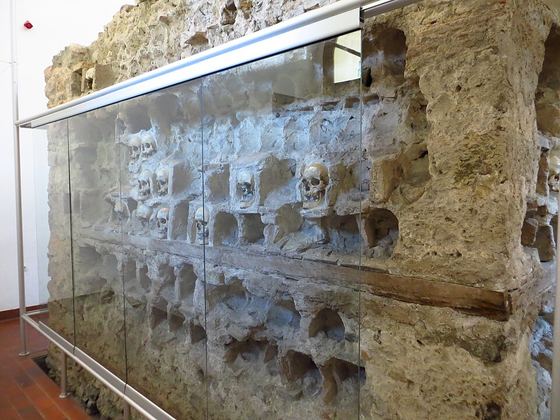 Ćele Kula, the skull tower of NišNiš, Serbia
In May 1809, at the Battle of Čegar during the First Serbian Uprising, commander Stevan Sinđelić fired into the powder magazine when he saw he could not hold out,…
In the themed lists
- The nuclear legacy: bombs, bunkers and reactors33 places
- Enclaves, micronations and absurd borders19 places
- Underground: cities, tunnels and bunkers29 places
- The Soviet legacy17 places
- Ossuaries, catacombs and mummies15 places
- Ghost towns39 places
- Places you can’t enter81 places
- Conspiracy theory sites46 places